
Introduction
C-Arm machines, also known as mobile fluoroscopy units, play a critical role in modern medical imaging—particularly in surgical and orthopedic environments. These versatile devices enable real-time X-ray imaging during procedures, allowing surgeons to navigate with precision and safety.
In this detailed guide, we’ll explore what C-Arm machines are, how they work, the different types available, their uses, and why they’re so important. We’ll also touch on localized solutions for C-Arm repair and rental in Dallas, Texas
What is a C-Arm?
A C-Arm is a medical imaging device used primarily in orthopedic, surgical, and emergency care procedures. Named after its C-shaped arm, it connects the X-ray source on one end to the image intensifier or flat-panel detector on the other. This structure enables flexible movement around the patient for different imaging angles.
C-Arms are mobile, making them especially useful in operating rooms where flexibility and space are crucial.
Key Components of a C-Arm
- X-ray Generator: Produces the X-ray beam.
- Image Intensifier/Flat Panel Detector: Captures the image and displays it in real-time.
- Control Panel: Allows adjustment of radiation, image settings, and patient orientation.
- Monitor: Displays the real-time fluoroscopic images.
Common Uses of C-Arms
C-Arms are widely used for:
- Orthopedic surgeries (e.g., joint replacements, fracture repairs)
- Spinal surgeries
- Cardiovascular procedures
- Gastrointestinal studies
- Urological interventions
- Pain management injections
Types of C-Arms
- Mini C-Arms: Suited to extremity imaging like hand, wrist, or foot surgeries.
- Compact C-Arms: Lightweight and easy to maneuver, used in outpatient and smaller surgical centers.
- Full-Size C-Arms: Used in complex surgeries requiring high image quality.
- Digital C-Arms: Feature flat-panel detectors and enhanced image processing.
C-Arm in Surgical Environments
During surgeries, C-Arms allow physicians to:
- Accurately place screws, plates, and rods
- Monitor real-time changes in bone structure
- Perform minimally invasive procedures
This level of precision reduces patient risk and improves surgical outcomes.
C-Arm Services in Texas
If you're based in Dallas or surrounding cities like Garland, Plano, or Richardson, and looking for:
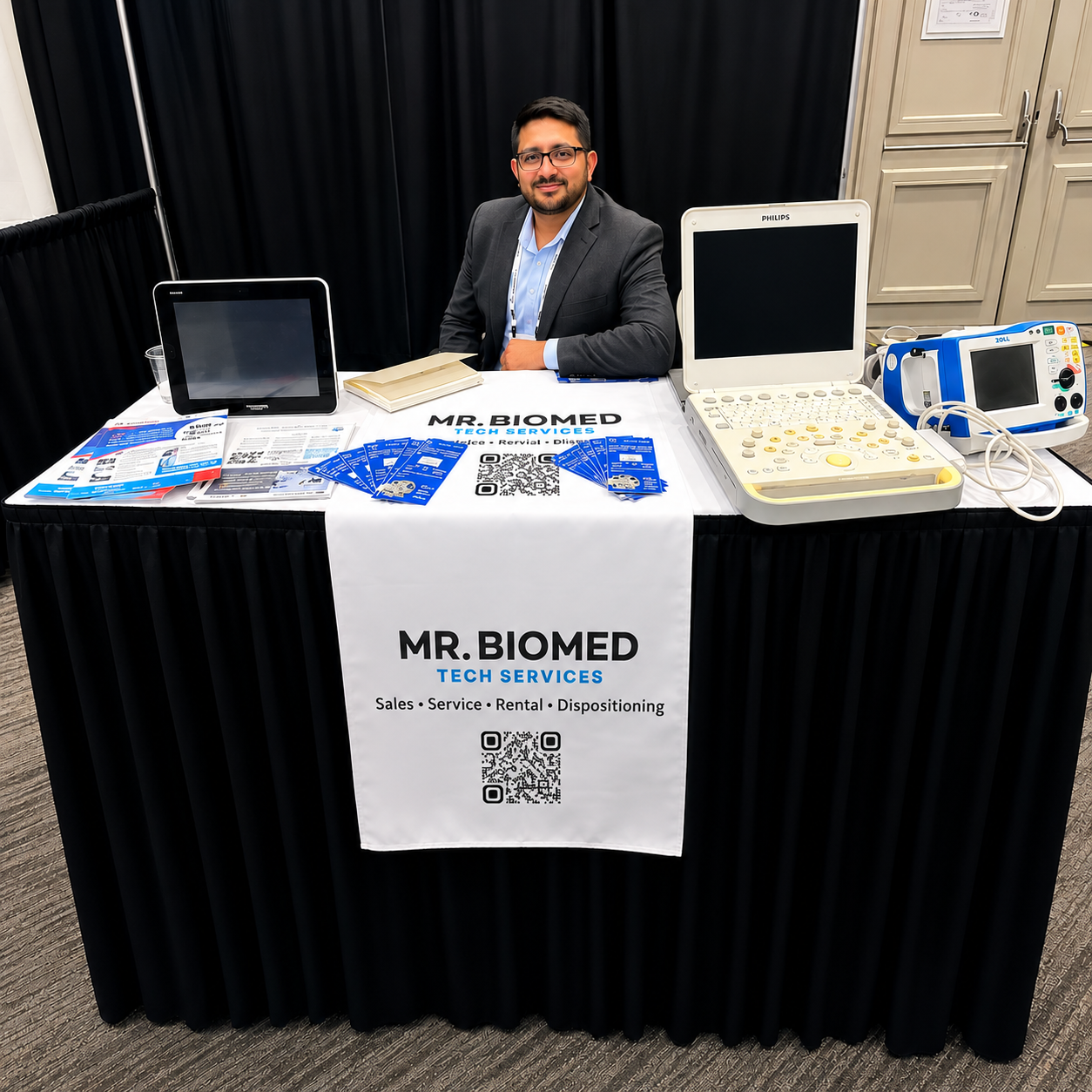
You can contact trusted providers like Mr BioMed Tech Services, who offer:
- customer support
- Emergency C-Arm replacements
- Preventive maintenance plans
- Affordable rental options (daily/weekly/monthly)
They operate in the entire Texas region, including Dallas, Houston, San Antonio, and Austin.
C-Arm and Fluoroscopy
C-Arms are often used for fluoroscopy, a process where X-rays create real-time video imaging. This is especially valuable in:
- Guided catheter placements
- Pacemaker installations
- Contrast dye procedures
With fluoroscopy, C-Arms become an indispensable part of interventional radiology.
C-Arm Safety and Training
Operating a C-Arm requires proper training to ensure:
- Radiation safety for both patient and operator
- Correct positioning to reduce image artifacts
- Compliance with U.S. FDA guidelines
Certified biomedical engineers typically handle maintenance and calibration to keep units in optimal condition.
Final Thoughts
C-Arms are a cornerstone in modern surgical and diagnostic procedures. Whether you're in a high-end surgical suite or a mid-sized clinic in Dallas, having access to quality C-Arm units—and professionals who can repair or rent them—is essential.
If you're a medical provider in Texas looking to expand your imaging capabilities, consider exploring local C-Arm service providers who combine technical expertise with regional availability.
Need to rent or repair a C-Arm in Dallas?
Reach out to Mr. BioMed Tech Services for fast, affordable, and reliable solutions.
Address: 555 N 5th St #109, Garland, TX 75040
Phone: (469) 767-8853
How C-Arm Imaging Supports Different Specialties
C-arm machines give clinicians live X-ray images during a procedure, so they can guide needles, wires and implants without moving the patient. Orthopedic surgeons use them to confirm fracture reduction and screw placement. Pain management physicians rely on them for epidural and facet injections. Vascular and cardiac teams use larger C-arms with higher heat capacity for longer runs, and urology practices use them for stone and stent procedures.
Mini C-Arm vs Full-Size C-Arm at a Glance
| Feature | Mini C-arm | Full-size C-arm |
|---|---|---|
| Typical use | Hand, wrist, foot and ankle | Spine, hip, vascular, pain |
| Footprint | Small, easy to move | Larger, needs more room |
| Field of view | About 4 to 6 inches | About 9 to 12 inches |
| Power output | Lower | Higher for dense anatomy |
Choosing the right size keeps costs in line with your case mix. We sell reconditioned C-arms with a 90-day warranty through our medical equipment sales team, and we also offer C-arm rental and C-arm repair for healthcare facilities across Texas.
C-Arm Machine FAQs
Do I need a full-size C-arm for pain procedures?
Most spine injections use a full-size C-arm for its larger field of view, though some clinics use compact models.
Can I rent a C-arm for a short project?
Yes. Rentals run from short terms to several months and include setup and support.
Are C-arms regulated in Texas?
Yes. They must be registered and inspected under Texas radiation control rules.
Learn more in the FDA fluoroscopy overview.





Leave a Comment
Comments [0]
No comments available for this blog.