
Ensuring Compliance, Safety, and Equipment Reliability
Healthcare organizations across Dallas rely on medical devices every day to diagnose, monitor, and treat patients. From advanced imaging systems and patient monitoring equipment to infusion pumps and surgical devices, these technologies play a critical role in delivering safe and effective healthcare services.
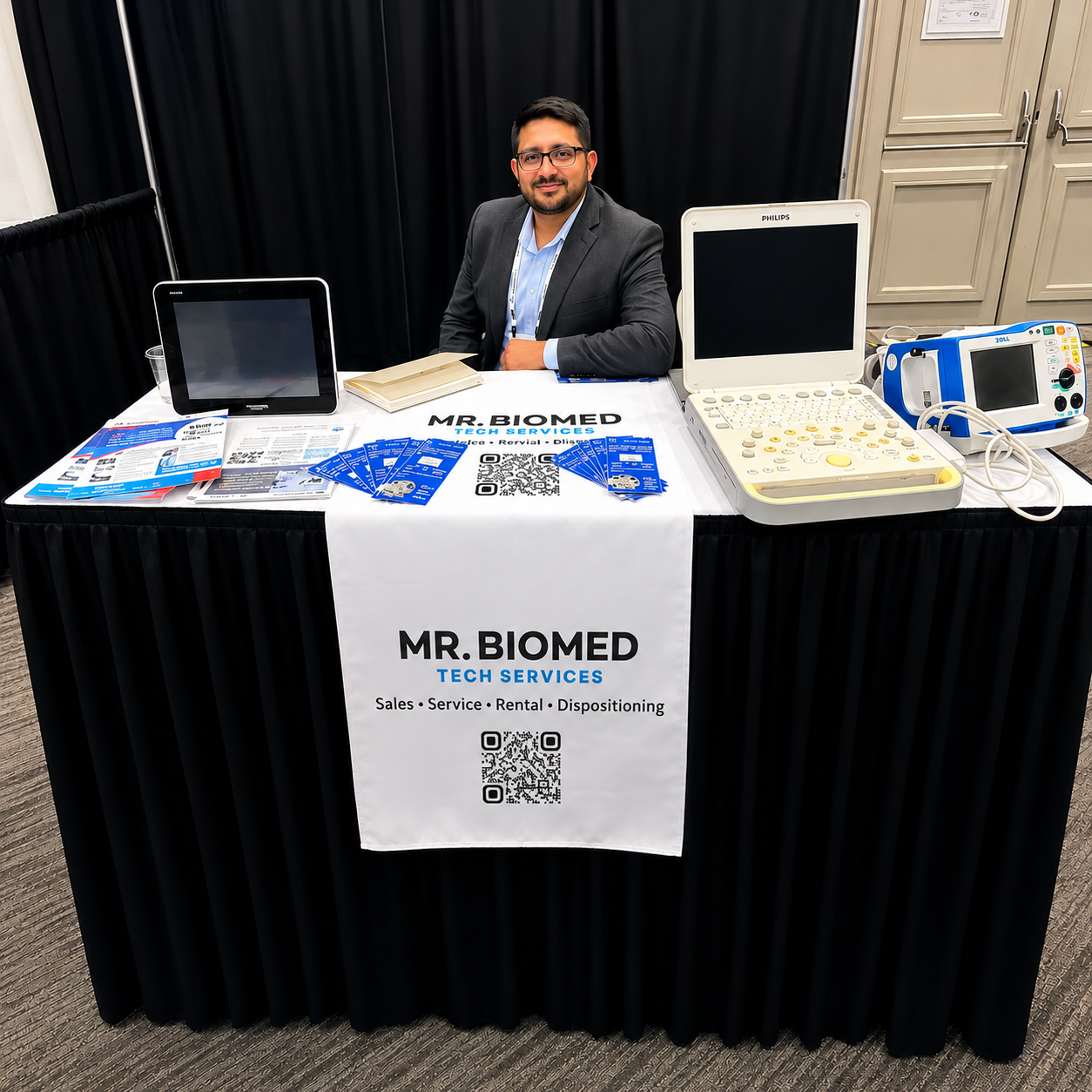
Because medical devices directly impact patient outcomes, maintaining compliance with FDA standards is essential. Regular inspections help healthcare facilities verify equipment performance, identify potential risks, and ensure devices continue operating according to manufacturer and regulatory requirements. MR Biomed Tech Services supports Dallas healthcare providers with thorough, compliance-focused inspections designed to keep critical equipment safe and reliable. Call us at +1 (469) 767-8853 to schedule an inspection for your facility.
Visit Our Location: https://maps.app.goo.gl/9muTk51AG4KQzDxEA
The Importance of Regulatory Compliance in Healthcare
Healthcare is one of the most highly regulated industries in the United States. Hospitals, outpatient facilities, surgery centers, laboratories, and specialty clinics must follow strict standards designed to protect patients and maintain quality care.
Medical device inspections support these goals by ensuring equipment remains safe, accurate, and reliable. When devices are inspected routinely, healthcare providers can reduce operational risks while maintaining confidence in the equipment used during patient care.
Compliance is not simply about passing inspections. It is about creating a safer healthcare environment and reducing the likelihood of unexpected equipment failures.
Understanding the Medical Device Inspection Process
A professional annual inspection involves more than a basic equipment check. Each device undergoes a structured evaluation designed to verify performance, safety, and operational readiness.
Inspection procedures typically include physical assessments, functional testing, calibration verification, electrical safety evaluations, and detailed documentation. This process helps identify potential concerns before they affect patient care or regulatory compliance.
The objective is to ensure equipment performs consistently while meeting current industry standards and manufacturer specifications.
Supporting a Wide Range of Medical Equipment
Healthcare facilities operate diverse equipment inventories that require specialized attention. Inspection services are designed to support devices used across multiple clinical environments.
- Imaging systems and diagnostic equipment
- Patient monitoring and life-support devices
These systems require routine evaluation to maintain accuracy, reliability, and safe operation. Inspection programs can be customized based on equipment type, usage levels, and facility requirements.
The Connection Between Inspections and Equipment Performance
Medical equipment experiences wear over time, even when it appears to be functioning normally. Small issues can gradually affect accuracy, efficiency, and reliability if left unaddressed.
Routine inspections help healthcare providers identify developing concerns early. This proactive approach often reduces repair costs, minimizes downtime, and improves long-term equipment performance.
Organizations that invest in structured inspection programs frequently experience fewer unexpected disruptions and more predictable equipment management costs.
Combining Compliance with Preventive Maintenance
While FDA inspections focus on compliance and performance verification, preventive maintenance focuses on maintaining equipment condition through scheduled servicing and adjustments.
When these two strategies are combined, healthcare facilities gain a more comprehensive approach to equipment management. Devices remain compliant with regulations while also benefiting from ongoing performance optimization and reliability improvements.
This integrated approach helps facilities maximize equipment lifespan and maintain operational continuity.
Benefits of Professional Inspection Services
Working with experienced biomedical professionals provides healthcare organizations with access to specialized expertise and detailed equipment evaluations.
Benefits may include:
- Improved regulatory readiness
- Reduced risk of equipment-related downtime
- Better documentation for audits and compliance reviews
- Increased confidence in device performance
- Enhanced patient and staff safety
These advantages contribute to stronger operational performance and more reliable healthcare delivery.
Supporting Healthcare Facilities Throughout Dallas
Home healthcare providers across Dallas face increasing demands for efficiency, compliance, and patient safety. Professional inspection services help organizations meet these expectations while maintaining confidence in their medical equipment inventory.
Whether managing a hospital, surgical center, specialty clinic, laboratory, or outpatient facility, routine inspections provide valuable insight into equipment condition and performance.
Why Healthcare Providers Partner with MR Biomed Tech Services
MR Biomed Tech Services provides FDA medical device inspection services designed to support healthcare organizations throughout Dallas and surrounding Texas communities.
Our biomedical professionals deliver detailed inspections, compliance-focused evaluations, and practical recommendations that help facilities maintain safe and reliable medical equipment.
By focusing on both regulatory compliance and operational performance, we help healthcare providers reduce risk while supporting long-term equipment reliability.
Schedule an Inspection Today
Maintaining compliance and equipment performance requires a proactive approach. Regular inspections help healthcare providers protect patients, improve reliability, and stay prepared for regulatory requirements.
For professional FDA medical device inspection services in Dallas, contact MR Biomed Tech Services today.
Frequently Asked Questions
What is the purpose of an FDA medical device inspection?
FDA medical device inspections help verify that equipment operates safely, accurately, and in accordance with regulatory standards and manufacturer guidelines.
Which healthcare facilities benefit from inspection services?
Hospitals, surgery centers, outpatient clinics, laboratories, imaging facilities, and specialty healthcare providers can all benefit from routine medical device inspections.
How often should medical equipment be inspected?
Inspection frequency depends on equipment type, manufacturer recommendations, usage levels, and facility compliance requirements.
Can inspections help reduce equipment downtime?
Yes. Routine inspections often identify developing issues before they result in equipment failures, helping reduce unexpected downtime.
Do inspection services include documentation?
Yes. Professional inspection programs typically include detailed reporting that supports audits, compliance reviews, and equipment management records.






Leave a Comment
Comments [0]
No comments available for this blog.