
Healthcare facilities do not always need to purchase every piece of medical equipment they use. Temporary projects, equipment replacement, unexpected demand, facility expansion, budget considerations, and short-term clinical requirements can all make rental a practical option. For hospitals, clinics, surgery centers, laboratories, and other healthcare providers, Medical Equipment Rental Services in Texas can provide access to needed equipment without requiring a permanent purchase.
Medical equipment rental can cover many different categories, from patient care equipment and hospital beds to imaging, surgical, laboratory, and monitoring systems. The right rental solution depends on the facility's application, expected rental period, equipment requirements, available space, and operational needs.
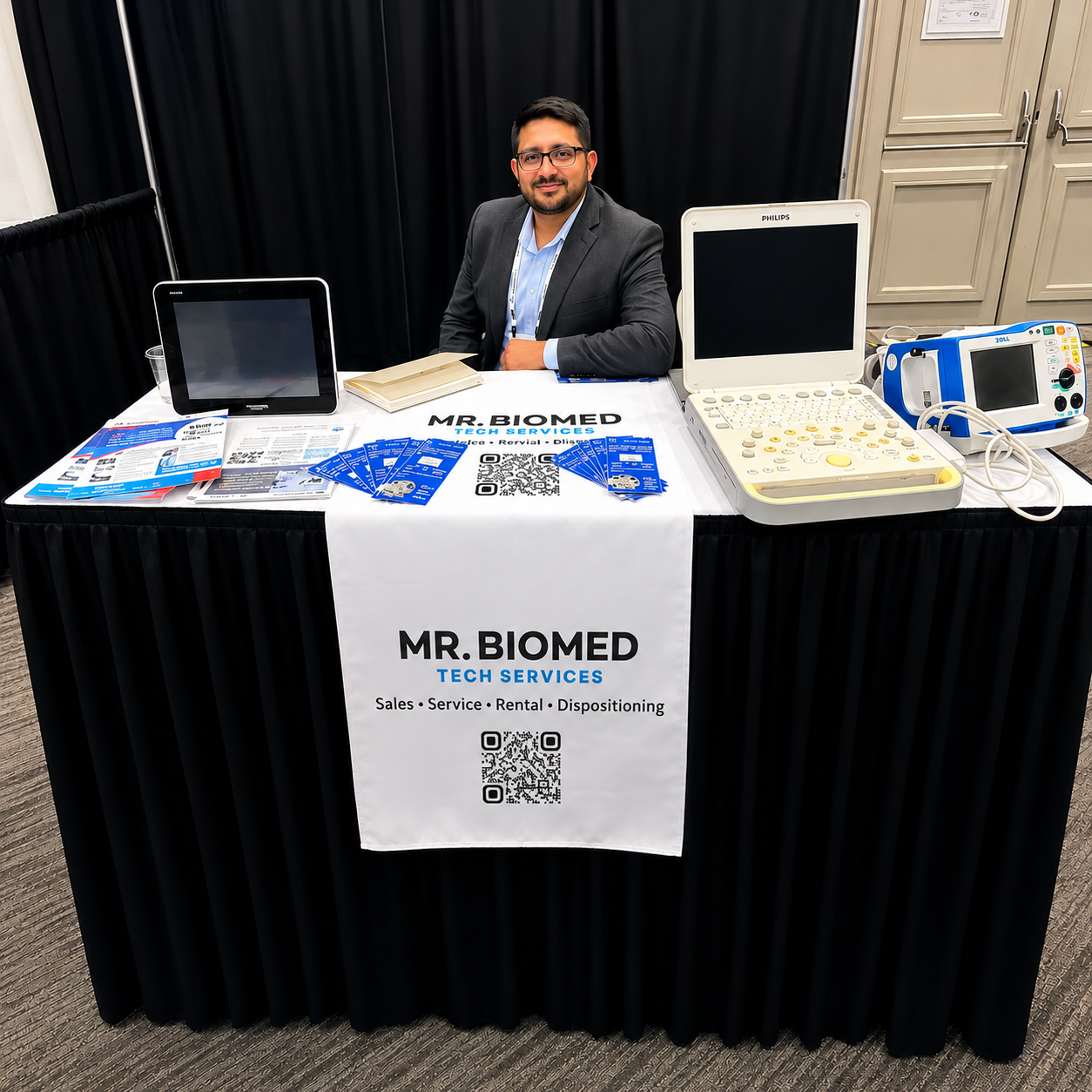
At Mr. Biomed Tech Services, healthcare organizations can explore medical equipment rental options based on their specific requirements. Whether a facility needs equipment for short-term use, temporary replacement, additional capacity, or an upcoming project, understanding the rental process can make equipment planning easier. Call +1 (469) 767-8853 today to discuss your medical equipment rental needs and find an option that fits your facility.
Visit Our Location: https://maps.app.goo.gl/9muTk51AG4KQzDxEA
What Are Medical Equipment Rental Services?
Medical equipment rental in Texas allows healthcare organizations to use medical equipment for a defined period instead of purchasing the equipment outright. The rental period may vary depending on the equipment and the provider. Some organizations may need equipment for a few days or weeks, while others may require it for several months.
Rental can be useful when a facility needs equipment temporarily but does not want to make a long-term investment. For example, a hospital may need additional patient care equipment during a period of increased demand. A surgery center may require a specific imaging system for a temporary project. A clinic may need replacement equipment while its primary system is being repaired.
In these situations, rental can provide greater flexibility.
Why Healthcare Facilities Rent Medical Equipment
Home healthcare organizations have different reasons for renting equipment. Purchasing may not always be the most practical option, particularly when the equipment is needed for a limited period.
Common reasons for rental include:
- Temporary increases in patient volume
- Equipment replacement
- Unexpected equipment downtime
- Facility expansion
- Short-term clinical projects
- Budget management
- Trialing equipment before purchase
- Temporary department requirements
A medical equipment rental company in Texas can help facilities identify equipment that fits their immediate requirements without requiring them to purchase every system they need.
Hospital Equipment Rental in Texas
Hospitals use a large variety of equipment across different departments. Depending on availability, hospital equipment rental in Texas may include equipment used for patient care, transportation, imaging, monitoring, surgical procedures, and other clinical applications.
Hospital administrators and department managers should consider how the rental equipment will fit into their existing workflow. Important considerations may include equipment dimensions, electrical requirements, accessories, patient capacity, mobility, operating environment, and staff familiarity.
For hospitals, rental can also provide a temporary solution when equipment is being repaired or replaced.
Medical Equipment Rental for Hospitals
Medical equipment rental for hospitals can be useful when a department needs additional equipment without making a permanent purchase. A hospital may require additional equipment during renovation, expansion, emergency planning, seasonal demand, or temporary relocation of a department.
Rental equipment can help fill these temporary needs while allowing the facility to continue its normal operations. Before renting, hospital teams should identify the exact equipment requirements and determine how long the equipment is expected to be needed.
Medical Equipment Rental for Clinics
Smaller healthcare facilities may also benefit from medical equipment rental for clinics. Clinics may not require every type of medical device on a permanent basis. Renting equipment can provide access to specialized systems when a temporary need arises. For example, a clinic may need additional patient care equipment during expansion or temporary replacement equipment while an existing system is being serviced.
Rental can therefore give clinics another option for managing equipment needs without immediately increasing their permanent equipment inventory.
Types of Medical Equipment Available for Rental
Medical equipment rental can cover many different equipment categories. The exact inventory depends on the rental provider, but healthcare organizations may find options such as hospital beds, stretchers, imaging equipment, ultrasound systems, C-arms, patient monitors, infusion pumps, ECG/EKG equipment, autoclaves, and other clinical equipment.
Hospital Beds and Patient Care Equipment
Hospital beds can be useful for facilities that need additional patient capacity or temporary replacement equipment. Depending on the model, hospital beds may provide adjustable positioning, patient support features, mobility options, and other functions designed for healthcare environments.
Healthcare Facilities should consider patient requirements, room dimensions, weight capacity, accessories, and electrical requirements before selecting a rental bed.
Imaging Equipment
Imaging equipment may be rented when healthcare organizations need temporary access to a system or additional imaging capacity. Equipment such as C-arms and ultrasound systems can support surgical, diagnostic, and other clinical applications.
Because imaging equipment can involve specific installation, electrical, technical, and operational requirements, facilities should evaluate compatibility before accepting rental equipment.
Patient Monitoring Equipment
Patient monitoring equipment can support clinical teams in different healthcare environments. Depending on the application, monitors may provide information about vital signs and other patient parameters.
When renting monitoring equipment, organizations should determine which parameters are required and whether the equipment is appropriate for the intended clinical setting.
Surgical Equipment
Surgery centers and hospitals may require specialized equipment for temporary procedures, replacement needs, or additional capacity. When considering surgical equipment rental, facilities should evaluate the equipment's configuration, accessories, space requirements, and compatibility with existing workflow.
Laboratory Equipment
Laboratories may also require temporary equipment for testing, sample processing, sterilization, or other applications. Before renting laboratory equipment, organizations should verify specifications and ensure that the system is appropriate for the procedures it will support.
Short-Term Medical Equipment Rental
Short term medical equipment rental can be particularly useful when the equipment is needed for a defined temporary period.
Short-term rental may help organizations respond to situations such as:
- Equipment failure
- Temporary patient volume increases
- Facility renovation
- Special projects
- Temporary department relocation
- Equipment evaluation
The rental period should be clearly defined before the agreement begins.
Facilities should also understand what happens if they need to extend the rental period or return the equipment earlier than expected.
Used Medical Equipment Rental
Some organizations may consider used medical equipment rental when a newer system is not necessary for their specific application. The condition of rental equipment should always be evaluated before use. Buyers and renters should understand the equipment's model, condition, functionality, included accessories, and service requirements.
Used equipment can vary considerably depending on its age, previous usage, maintenance history, and condition. For that reason, healthcare organizations should focus on whether the equipment meets their operational requirements rather than selecting equipment solely based on price.

How to Choose the Right Rental Equipment
Choosing the right rental equipment requires more than selecting a model that is available. Start by identifying the actual clinical requirement.
Ask:
- What will the equipment be used for?
- How many patients or procedures will it support?
- How long will it be needed?
- Where will it be used?
- What accessories are required?
- Does it fit the available space?
- Does staff already know how to operate it?
- What maintenance or technical support may be required?
Answering these questions can help narrow down the available options.
Equipment Condition and Inspection
Before accepting rental equipment, facilities should understand its condition. A basic inspection can help identify visible damage, missing components, or obvious operational concerns. Depending on the equipment, organizations may also need to verify functional operation, electrical safety, accessories, controls, and other important components.
This is particularly important for complex medical equipment. A rental provider should be able to provide appropriate information about the equipment and its condition so the healthcare organization can make an informed decision.
Maintenance During the Rental Period
Medical equipment should remain in appropriate operating condition throughout the rental period. The responsibilities of the healthcare facility and rental provider should therefore be clearly understood before the rental begins.
Organizations should know who is responsible for routine care, maintenance, repairs, and reporting equipment problems. If equipment develops an issue during use, the facility should follow the agreed service and support process rather than attempting unauthorized repairs.
Proper maintenance can help reduce unnecessary downtime and support reliable equipment operation.
Medical Equipment Rental for Healthcare Facilities
Medical equipment rental for healthcare facilities can provide flexibility across many different healthcare environments. Hospitals, outpatient clinics, surgery centers, laboratories, imaging centers, rehabilitation facilities, and other organizations may have temporary equipment requirements.
Each facility has different operational priorities. A hospital may need additional beds or monitoring equipment, while an imaging center may need temporary diagnostic equipment. A surgery center may require a C-arm or other specialized system for a particular period.
The rental approach should therefore be based on the facility's specific needs rather than a one-size-fits-all package.
Rental vs. Purchasing Medical Equipment
Rental and purchasing each have different advantages. Purchasing may be more appropriate when equipment will be used continuously for many years and the organization wants permanent ownership.
Rental may be more practical when equipment is required temporarily, when a facility needs additional capacity, or when purchasing does not make financial or operational sense. Organizations should compare the expected rental period with the anticipated long-term use of the equipment.
For a short-term requirement, rental may provide greater flexibility. For long-term, high-frequency use, purchasing may be worth considering.
Benefits of Medical Equipment Rental
A well-planned rental program can provide several practical benefits.
Flexibility
Rental allows facilities to respond to temporary equipment requirements without permanently expanding their inventory.
Temporary Replacement
When essential equipment is unavailable because of repair or maintenance, rental equipment may provide a temporary solution.
Additional Capacity
Facilities can add equipment when patient volume or operational demand increases.
Budget Management
Rental can provide another way to manage equipment-related expenses, particularly for short-term requirements.
Equipment Evaluation
In some cases, using equipment through rental can help organizations better understand whether a particular model fits their workflow before considering a permanent purchase.
What to Ask Before Renting Medical Equipment
Before entering a rental agreement, healthcare organizations should understand the complete arrangement.
Questions may include:
- What equipment model is being provided?
- What condition is the equipment in?
- What accessories are included?
- How long is the rental period?
- Can the rental period be extended?
- Who handles maintenance?
- What happens if the equipment fails?
- Are delivery and pickup included?
- What installation requirements apply?
- What support is available during the rental?
Clear answers can help prevent misunderstandings later.
Medical Equipment Rental Support in Texas
Healthcare organizations across Texas may have different equipment requirements based on their specialty, facility size, patient population, and operational environment.
A practical rental process should begin with understanding those requirements and then matching the facility with suitable equipment.
Mr. Biomed Tech Services supports healthcare organizations seeking medical equipment solutions for temporary and ongoing operational needs. Whether the requirement involves hospital equipment, imaging equipment, patient care equipment, surgical equipment, or laboratory systems, equipment selection should be based on application, condition, compatibility, and expected use.
Final Thoughts
Medical Equipment Rental Services in Texas can provide healthcare organizations with a flexible option when equipment is needed temporarily or when purchasing is not the preferred solution. Hospitals, clinics, surgery centers, laboratories, and other healthcare facilities can use rental equipment for temporary replacement, additional capacity, facility expansion, special projects, and other operational requirements.
The right rental decision requires more than choosing equipment based on availability or price. Facilities should evaluate equipment condition, intended application, rental duration, compatibility, accessories, maintenance responsibilities, and technical support.
By taking a practical approach to equipment rental, healthcare organizations can find solutions that better match their immediate requirements while maintaining an efficient equipment strategy. Call +1 (469) 767-8853 today to discuss your medical equipment rental requirements and find the right solution for your facility.
Frequently Asked Questions
What medical equipment can be rented in Texas?
Depending on available inventory, healthcare organizations may rent hospital beds, stretchers, C-arms, ultrasound systems, patient monitors, infusion pumps, ECG/EKG equipment, autoclaves, surgical equipment, laboratory equipment, and other medical devices.
Who can use medical equipment rental services?
Hospitals, clinics, surgery centers, laboratories, imaging facilities, outpatient centers, and other healthcare organizations may use medical equipment rental services when equipment is needed for temporary or ongoing requirements.
Is short-term medical equipment rental available?
Short-term rental may be available depending on the equipment and provider. Facilities should confirm the minimum rental period, extension options, delivery arrangements, and return requirements before renting.
Should I rent or purchase medical equipment?
Rental may be suitable for temporary requirements, additional capacity, replacement equipment, or short-term projects. Purchasing may be more appropriate when equipment will be used continuously for an extended period.
What should I check before renting medical equipment?
Check the equipment model, condition, specifications, accessories, compatibility, rental duration, maintenance responsibilities, technical support, delivery arrangements, and return requirements before accepting the equipment.







Leave a Comment
Comments [0]
No comments available for this blog.